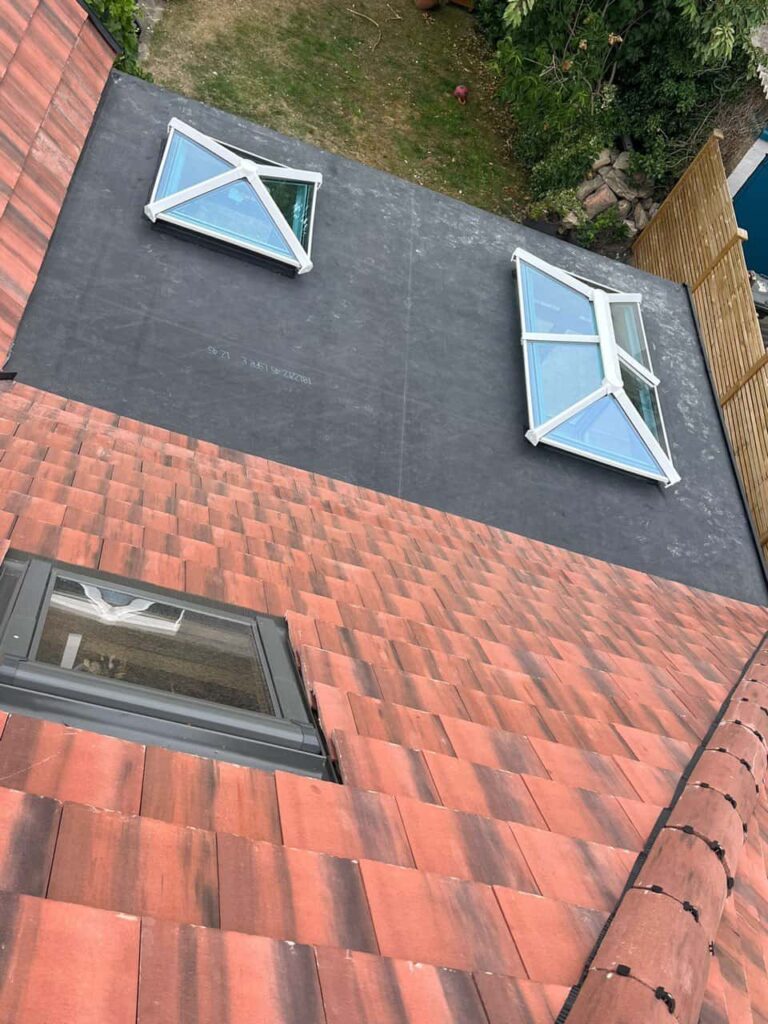
Slipped roof tiles are more than an appearance issue. When a tile moves out of position, it can expose the underlay and surrounding roof components to rainfall. Even a relatively small gap may allow water to enter, particularly during prolonged rain or windy conditions.
Tiles can begin slipping for several reasons, including deteriorated fixings, ageing battens, installation faults and gradual weathering. Identifying the underlying cause is important because simply pushing a tile back into place may not provide a secure or lasting repair.
What Causes Roof Tiles to Slip?
Most tiles are secured to timber battens using nails, clips or nibs formed into the tile itself. If any part of this fixing system fails, the tile may move down the roof slope.
The cause may be limited to one damaged tile, but several slipped tiles can indicate deterioration beneath the visible roof covering. A professional inspection can determine whether the problem is isolated or likely to affect a wider area.
Corroded or Failed Tile Fixings
Metal fixings are exposed to changing temperatures and moisture throughout their service life. Over time, older nails and clips may corrode, loosen or break. Once the fixing can no longer hold the tile securely, gravity and wind movement may cause it to slip.
Replacing the visible tile alone may not solve the problem if nearby fixings are in a similar condition. The surrounding section should therefore be checked before deciding how extensive the repair needs to be.
Damaged Tile Nibs
Many interlocking and plain tiles have small projections known as nibs, which hook over the supporting battens. These can crack or break as the tile ages, following impact or because of previous movement on the roof.
A tile with a damaged nib may appear correctly positioned for some time before gradually moving. As the original fixing point has failed, the tile usually needs to be replaced or secured using a suitable repair method.
Deteriorated Roof Battens
Roof battens provide the fixing points that support tiles across the roof slope. If a batten has weakened because of prolonged moisture exposure or deterioration, nails and clips may no longer remain secure.
Several tiles slipping along the same line can indicate a possible batten problem. This requires closer investigation because the visible movement may represent only part of the affected area. The tiles may need to be carefully lifted so the condition of the supporting materials can be assessed.
Strong Winds and Repeated Weather Exposure
Roof tiles are designed to resist normal weather conditions, but strong winds can place considerable pressure on exposed edges and vulnerable roof sections. Wind may lift a tile enough to damage its fixing without removing it completely. The tile can then begin slipping later.
Repeated cycles of rain, frost, heat and wind may also weaken roofing components gradually. A slipped tile does not always appear immediately after severe weather; the movement may become noticeable only after the damaged fixing has deteriorated further.
Incorrect Installation or Previous Repairs
Tiles need to be laid with the correct overlap, alignment and fixing method. If unsuitable fixings were used, tiles were cut poorly or the battens were spaced incorrectly, sections of the covering may be more likely to move.
Earlier repairs can also contribute to slipping if tiles were not secured properly or if temporary materials were used. A professional roofer should check how the affected area has been constructed rather than assuming that age or weather is solely responsible.
Movement Within the Roof Structure
Small amounts of natural movement can occur as a building responds to temperature and moisture changes. However, unusual movement within the roof structure may disturb battens, mortar and tile alignment.
If tiles continue slipping in the same area after repair, the problem may involve more than individual fixings. Examining the supporting structure can help establish whether movement or distortion is contributing to the repeated defect.
Why Slipped Tiles Should Not Be Ignored
A displaced tile leaves the materials beneath it more exposed. Although roof underlay provides secondary protection, it is not intended to replace the tile covering permanently. If the underlay is torn, deteriorated or poorly supported, water may reach the roof space.
Possible consequences include:
- Damp patches on ceilings or walls
- Wet or compressed insulation
- Moisture affecting roof timbers
- Damage to battens and underlay
- Movement of adjacent tiles
- Water entering during wind-driven rain
- Increasing deterioration around the exposed area
Early assessment can help contain the problem before moisture affects other parts of the property.
Can a Slipped Tile Be Repaired?
A localised repair may be sufficient when the tile and its surrounding materials remain in sound condition. The tile can be repositioned or replaced and then secured correctly.
More extensive work may be required when several tiles have moved, battens are damaged, fixings are widely corroded or the underlay has deteriorated. In these circumstances, part of the roof covering may need to be lifted so that the supporting components can be repaired before the tiles are reinstated.
The correct solution depends on why the tile slipped, not simply how far it has moved.
Professional Slipped Tile Repairs in Abingdon
Inspecting a roof from ground level can reveal displaced tiles, but it does not always show the condition of the fixings, battens or underlay beneath them. Accessing a pitched roof without appropriate equipment can also create unnecessary risk and may dislodge additional tiles.
LJ Roofing Abingdon can inspect slipped roof tiles and the surrounding area to identify the cause of the movement. For properties in Abingdon, Oxfordshire, a timely professional repair can help restore the roof covering and prevent an exposed section from developing into a more extensive problem.
Conclusion
Roof tiles may begin to slip because of failed fixings, broken nibs, deteriorated battens, weather exposure, installation faults or movement within the roof structure. The visible tile is not always the only issue, so an accurate assessment is essential before repairs begin.
If you have noticed a slipped or uneven tile on your property in Abingdon, Oxfordshire, contact LJ Roofing Abingdon to arrange an inspection and determine the most appropriate repair.
Call us on: 01235 425 698
Click here to find out more about LJ Roofing Abingdon
Click here to complete our contact form and see how we can help with your roofing needs.