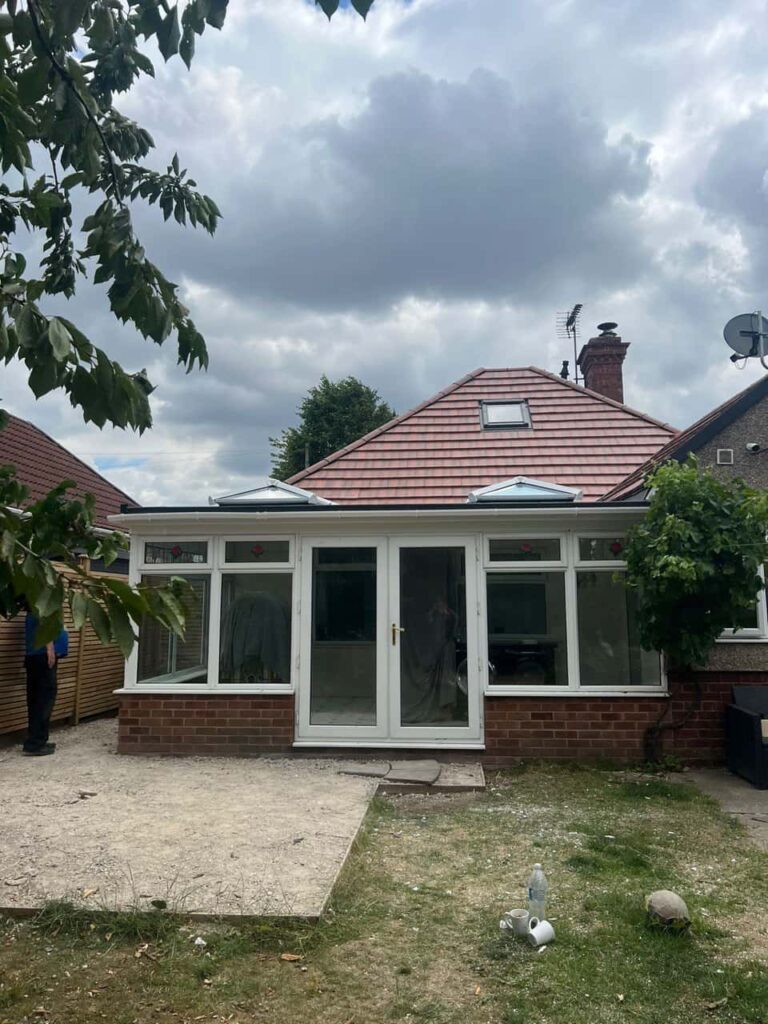
A weathered roof is not necessarily a failed roof. Tiles, slates, mortar, flashings and other components naturally show signs of exposure over time, yet much of the roofing system may remain serviceable. When isolated defects are identified and repaired promptly, the sound areas can continue protecting the property effectively.
The key is to respond before localised deterioration spreads. A detailed inspection can distinguish between normal weathering, repairable faults and more extensive decline that requires broader work.
Why Early Repairs Matter on a Weathered Roof
A roof functions as a complete system. Its covering, underlay, battens, flashings, junctions and drainage details work together to keep water outside. A small weakness in one component can place additional strain on the materials around it.
Slipped and Cracked Tiles Should Be Addressed Promptly
Tiles and slates rely on correct alignment and overlap to direct rainwater towards the guttering. If one becomes cracked or moves out of position, the underlay and supporting battens may receive greater exposure.
Replacing or securing the affected material can restore the intended coverage before moisture reaches concealed parts of the roof. The surrounding tiles should also be checked for movement, weakened fixings or related damage.
Small Leaks Can Affect a Wider Area
A minor drip may suggest that only a small amount of water is entering, but the internal symptom does not always show the full extent of the problem. Water can travel along underlay, rafters or battens before appearing on a ceiling.
Timely investigation helps trace the entry point and assess the materials along the water’s route. Repairing the source early can reduce the likelihood of dampness affecting insulation, timber and internal surfaces.
Flashing Defects Rarely Improve on Their Own
Leadwork and other flashing materials protect junctions around chimneys, adjoining walls and roof penetrations. Ageing, movement and repeated weather exposure can cause these details to lift, split or separate from surrounding materials.
A small flashing defect may initially leak only during wind-driven rain. As movement continues, the opening can widen and allow water to enter more frequently. Correct repair restores the junction rather than merely covering the visible gap.
Mortar Deterioration Can Allow Movement
Mortar around ridges, hips, verges and chimney details can crack or loosen as it ages. Once material begins to break away, the affected components may become less stable and more exposed to wind.
Localised repairs can be effective where the surrounding materials remain sound. However, the whole detail should be inspected, as patching one small section will not resolve widespread mortar deterioration.
Timely Repairs Help Protect the Underlay and Battens
The visible covering is only the first layer of the roof. Beneath it, the underlay provides secondary protection and the battens support the tiles or slates.
If openings in the covering remain unrepaired, these concealed components may be subjected to repeated dampness. Addressing defects early helps preserve materials that would otherwise require the roof covering to be lifted for access.
Drainage Problems Can Accelerate Weathering
Blocked or poorly performing drainage can cause rainwater to overflow, collect or repeatedly saturate the roof edges. This may affect the eaves, fascias and lower courses of the covering.
Repairs should therefore consider how water moves across and away from the roof. Correcting a displaced tile without addressing nearby drainage problems may leave the same area vulnerable.
Repairs Should Address Causes, Not Only Symptoms
A weathered roof may have several visible imperfections, but not every mark requires the same response. Effective repair begins by establishing why the defect developed.
For example, a slipped tile may result from a failed fixing, a weakened batten or movement in surrounding materials. Repositioning the tile without dealing with the underlying cause could allow it to slip again.
Regular Inspections Make Localised Repairs More Practical
Roof defects are generally easier to contain when found before they affect adjoining materials. Useful warning signs include:
- Tiles or slates that appear uneven
- Small fragments beneath the roof edge
- Cracked or missing mortar
- Loose-looking flashing
- Damp marks in the loft
- Staining on ceilings or walls
- Overflowing guttering
- Recurring debris in downpipes or gutters
Observations should be made safely from ground level or from inside an accessible loft. Avoid climbing onto the roof.
Not Every Weathered Roof Is Suitable for Continued Repair
Timely repairs can preserve a roof when deterioration is confined and the surrounding materials remain dependable. They cannot restore a roofing system that has declined extensively.
Broader work may be appropriate when leaks occur in several places, tiles repeatedly fail, the underlay has deteriorated or supporting components are no longer sound. A professional assessment should determine whether repair remains practical rather than relying on appearance alone.
Professional Workmanship Supports a Lasting Result
The quality of the repair matters as much as its timing. Replacement materials should be compatible with the existing roof, fixings must be secure and overlaps must be restored correctly.
A professional roofer will also examine adjacent areas instead of treating the visible defect in isolation. This provides a clearer understanding of the roof’s overall condition and reduces the risk of a nearby weakness being missed.
Conclusion
Timely repairs can help a weathered roof continue performing reliably by preventing isolated defects from affecting sound surrounding materials. Slipped tiles, damaged flashings, minor leaks and deteriorated mortar should be assessed before exposure leads to wider problems.
LJ Roofing Abingdon provides professional roof inspections and repairs in Abingdon, Oxfordshire. If your roof is showing signs of weathering or localised damage, contact us to arrange an assessment and determine the most appropriate repair.
Call us on: 01235 425 698
Click here to find out more about LJ Roofing Abingdon
Click here to complete our contact form and see how we can help with your roofing needs.