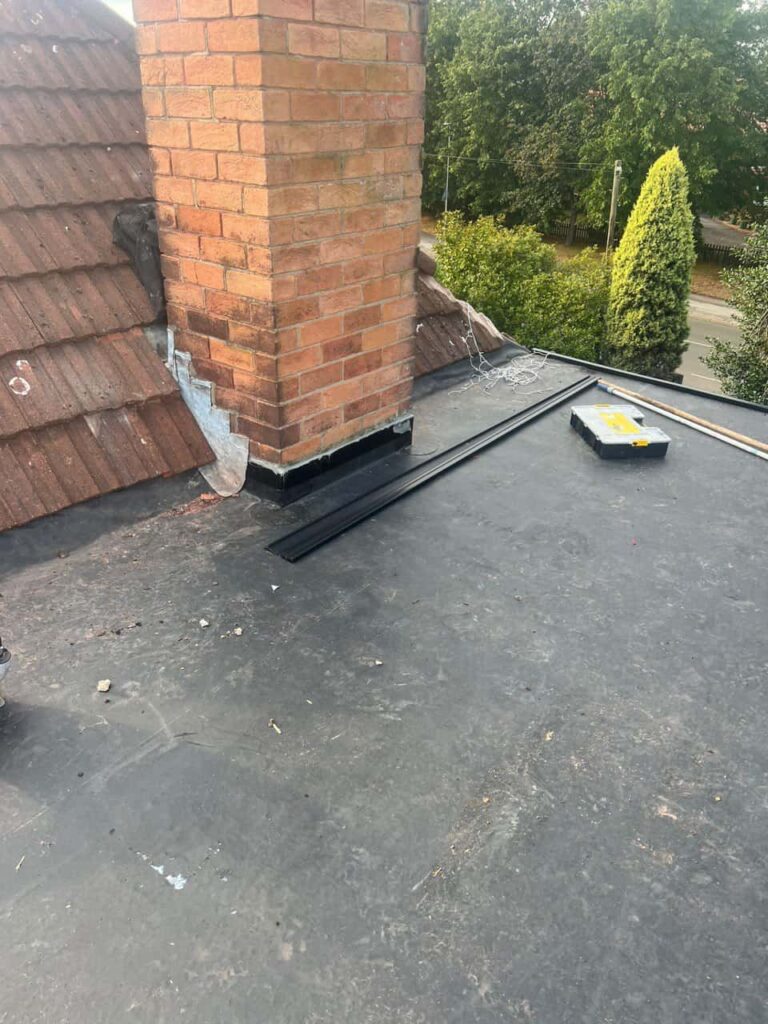
Tile roofs are one of the most durable and attractive roofing options available to UK homeowners. They provide excellent protection from the elements, are long-lasting, and enhance the aesthetic appeal of any property. However, when not properly maintained or installed, even the strongest tile roof can become a source of damp issues within the home. At LJ Roofing Abingdon in Abingdon, Oxfordshire, we often see how small roofing faults can lead to persistent damp problems that, if ignored, can affect the structure and comfort of a property.
Understanding Damp and How It Develops
Damp occurs when moisture penetrates areas of a building that should remain dry. This can happen slowly over time and often goes unnoticed until visible signs appear. Common symptoms include:
- Stains or dark patches on ceilings and walls
- Peeling paint or wallpaper
- A musty odour indoors
- Growth of mould or mildew
When a property has a tile roof, moisture infiltration is often linked to specific roofing faults or weaknesses. Recognising these issues early and addressing them promptly is essential to maintaining a dry and healthy home.
How Tile Roofs Can Cause Damp Problems
Although tile roofs are designed to shed rainwater effectively, certain problems can disrupt this process and allow moisture to enter the roof space or internal walls.
1. Cracked or Broken Tiles
Over time, tiles can crack or become dislodged due to wind, frost, or general ageing. Even a single cracked tile can allow rainwater to seep through the roof and into the underlay or rafters beneath. Once water gets into the roof space, it can spread, leading to damp patches, timber rot, and insulation damage.
Professional roofers like LJ Roofing Abingdon can identify cracked tiles early through routine inspections and replace them before they cause wider damage.
2. Damaged Mortar and Ridge Caps
The mortar used to secure ridge and hip tiles can deteriorate with age or exposure to harsh weather conditions. When mortar crumbles or separates, it creates small openings where rainwater can enter. This often leads to slow, continuous leaks that cause dampness to develop over time.
Regular repointing of ridge caps is an important maintenance step that keeps your tile roof watertight and structurally sound.
3. Poor Roof Ventilation
A lack of ventilation in the roof space can lead to condensation — a common cause of damp, especially in older properties. Warm, moist air from inside the home rises and meets the cooler air in the loft, creating condensation on the underside of roof tiles or rafters.
Over time, this trapped moisture encourages mould growth and can even lead to decay of the roof timbers. Installing adequate ventilation prevents moisture build-up and keeps the air circulating properly.
4. Damaged Flashing or Valleys
Flashing and valleys are key components that direct water safely off the roof. When flashing becomes loose, corroded, or damaged, it allows water to bypass these protective barriers and infiltrate the roof structure.
This is especially common around chimneys, skylights, or dormer windows, where multiple materials meet. Without prompt repair, these areas can become persistent damp entry points.
5. Blocked Gutters and Downpipes
Tile roofs naturally shed debris such as moss and leaves, which often accumulate in gutters and valleys. When left uncleared, this debris prevents water from draining efficiently, causing it to back up under the roof tiles or overflow onto walls.
Blocked drainage systems are one of the most common causes of damp near roof edges or upper walls. Regular gutter cleaning and maintenance from LJ Roofing Abingdon help prevent these issues and maintain effective water flow.
The Hidden Effects of Roof-Related Damp
When moisture enters through a tiled roof, the damage is not always immediately visible. Over time, it can lead to more serious problems that affect the overall integrity of your property.
Structural Damage
Continuous damp exposure can weaken roof timbers, ceiling joists, and wall structures. This not only affects the strength of your home but can also make future repairs more complex.
Reduced Energy Efficiency
Wet insulation loses its ability to retain heat, making your home less energy efficient. This can result in higher heating bills and an uncomfortable indoor environment.
Health Concerns
Persistent damp creates the ideal environment for mould and mildew to thrive. These can trigger respiratory issues, allergies, and other health problems for occupants, particularly in poorly ventilated spaces.
Visual Damage
Damp patches, peeling wallpaper, and flaking paint can make your interior look neglected and uninviting. Preventing water ingress from the roof protects both the structure and the appearance of your home.
How to Prevent Damp Caused by Tile Roof Problems
Preventative maintenance is the most effective way to stop damp before it starts. Homeowners should prioritise regular inspections and minor repairs to ensure the roof remains watertight and structurally sound.
Schedule Routine Roof Inspections
Professional roof inspections, ideally once a year or after severe weather, can identify early signs of damage before they escalate. Specialists can check tile alignment, flashing integrity, and ridge mortar for weaknesses.
Keep Gutters and Valleys Clear
Ensure gutters and roof valleys are cleaned at least twice a year to prevent blockages. This simple maintenance step allows rainwater to flow freely away from the property.
Remove Moss and Algae
Moss may look harmless, but it holds moisture and can lift roof tiles slightly, allowing water to penetrate. Safe removal helps prevent long-term damp and roof degradation.
Repair Damage Promptly
Even minor cracks or missing tiles should be replaced as soon as possible. Delaying repairs only allows more moisture to enter, increasing the risk of damp and structural problems.
Maintain Proper Ventilation
If condensation is contributing to damp, improving roof ventilation can make a big difference. Ridge vents, soffit vents, or tile vents can all help to maintain airflow and reduce internal moisture levels.
Why Professional Roof Maintenance Matters
While it may be tempting to inspect or repair your roof yourself, professional maintenance ensures the job is done safely and effectively. Roofing specialists have the expertise to spot subtle signs of damage that the untrained eye might miss.
At LJ Roofing Abingdon, our team provides comprehensive roof assessments, tile replacement, and maintenance services to protect your home from damp-related issues. We combine technical expertise with high-quality materials to ensure long-lasting performance and peace of mind for homeowners across Abingdon and Oxfordshire.
How LJ Roofing Abingdon Helps Protect Your Home
Our experienced team understands how local weather conditions impact tile roofs over time. We specialise in maintaining and repairing all types of tiled roofs — from clay to concrete — with precision and care.
Our services include:
- Detailed roof inspections and condition reports
- Professional tile replacement and re-bedding
- Ridge repointing and flashing repair
- Moss and debris removal for improved drainage
- Preventative maintenance to stop damp before it starts
By investing in expert maintenance from LJ Roofing Abingdon, you not only prevent damp issues but also extend the life and appearance of your roof for years to come.
Conclusion
Damp and tile roof issues are closely connected — often developing quietly before causing visible damage. Regular maintenance, timely repairs, and professional inspections are key to keeping your roof watertight and your home free from moisture problems. For trusted roofing services that protect your property from damp and deterioration, LJ Roofing Abingdon in Abingdon, Oxfordshire, provides the expertise and reliability homeowners can depend on.
Call us on: 01235 425 698
Click here to find out more about LJ Roofing Abingdon
Click here to complete our contact form and see how we can help with your roofing needs.